Vehicle Weighing Systems

High-quality vehicle scales and weighing systems for your industrial weighing needs
Find answers to all your questions about vehicle scales and weighing systems
Tell us the capacity, application and delivery site; we prepare the quote for your project.
Vehicle, truck and lorry scales are systems used in sectors such as logistics, construction, agriculture and mining, which precisely measure the loaded or unloaded weight of heavy vehicles. These systems play a critical role in ensuring commercial accuracy, monitoring compliance with legal load limits and increasing operational efficiency.
The logistics sector accounts for approximately 12% of global GDP. In this giant economic chain, every gram counts. Accurate weighing ensures fair trade, safe transportation, and legal compliance. Overloading causes road wear, increases fuel consumption, and poses serious safety risks.
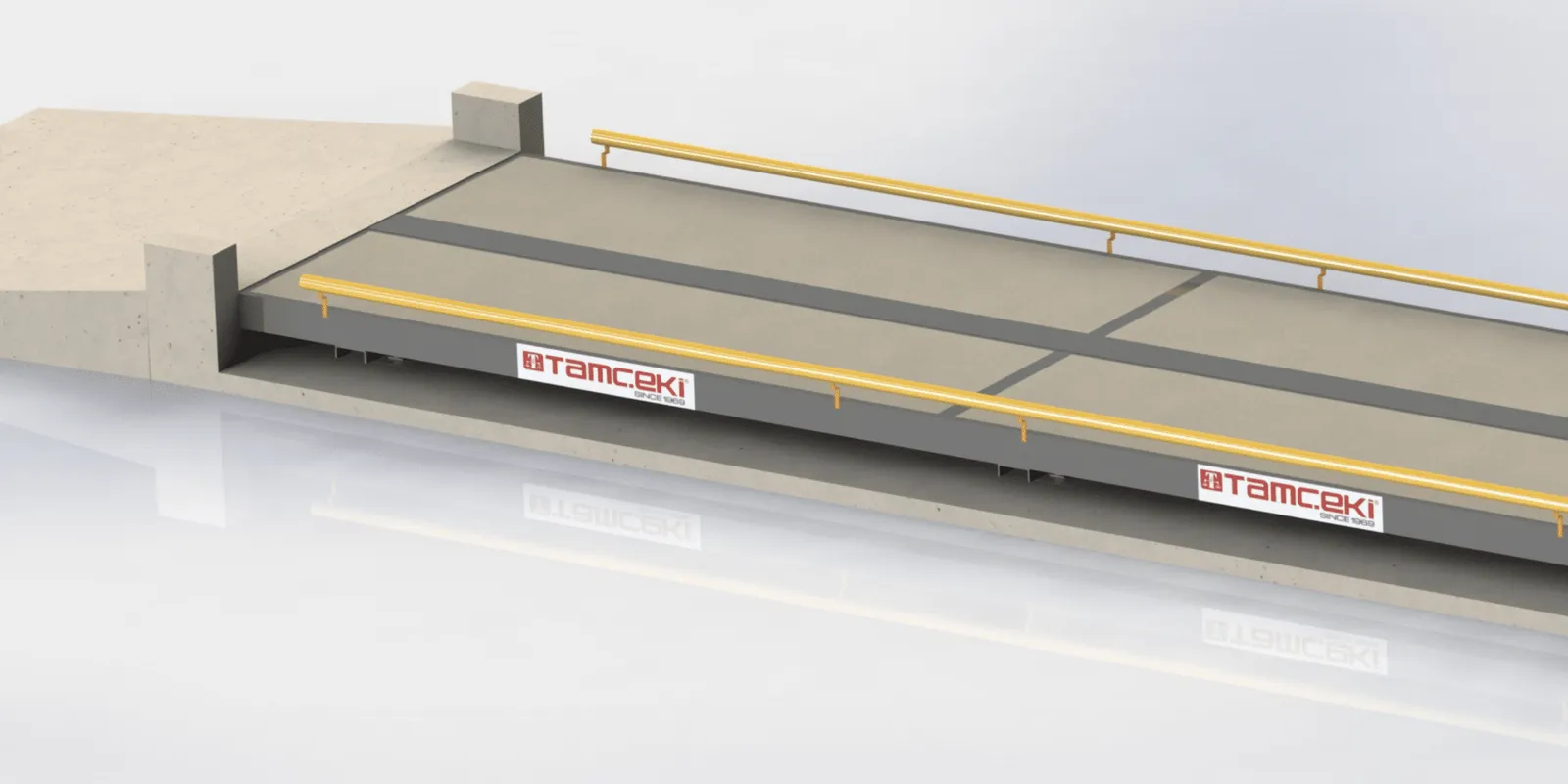
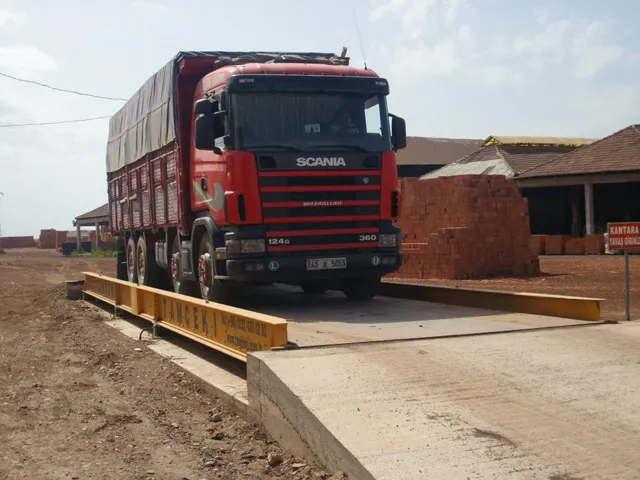
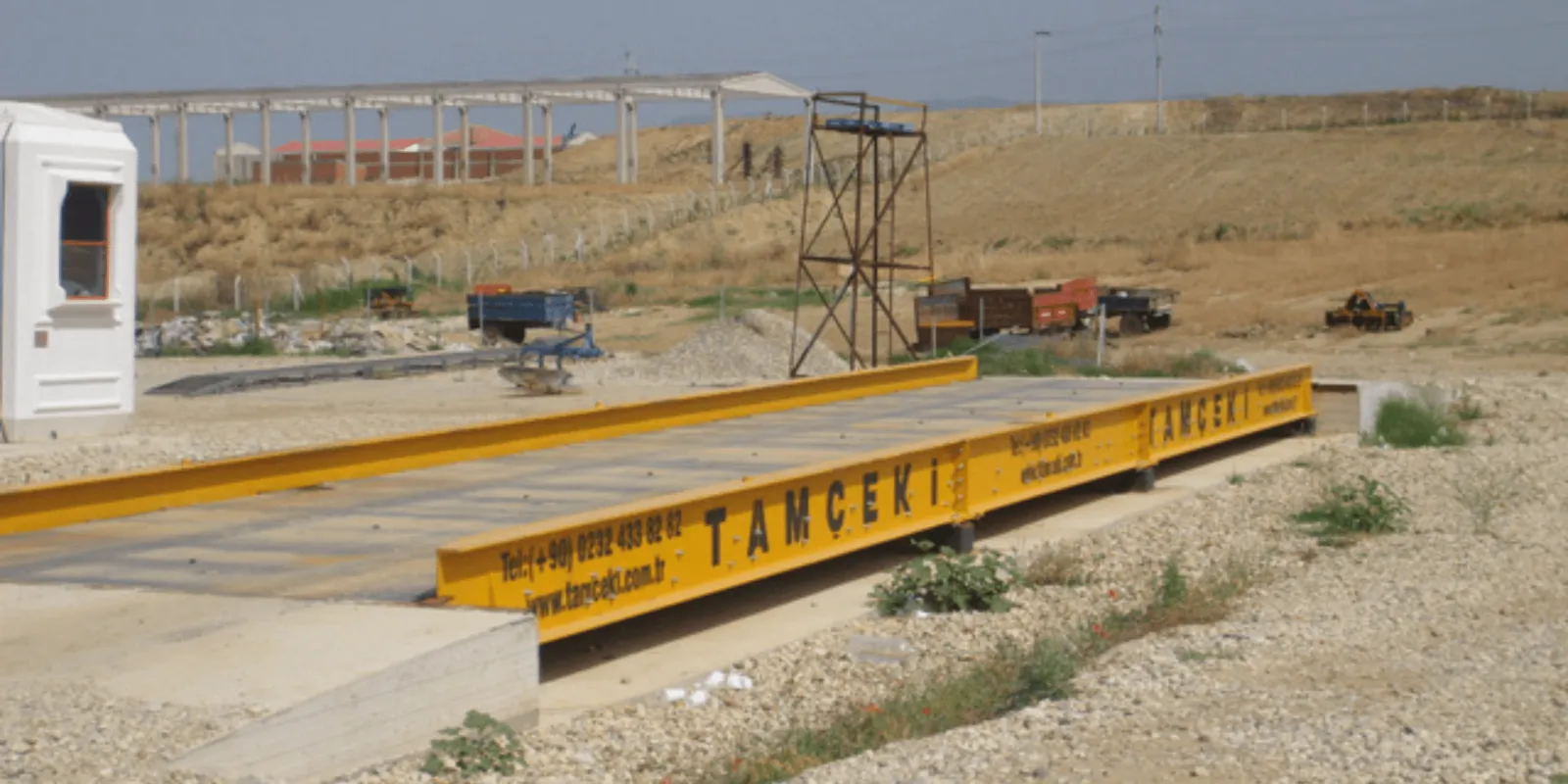
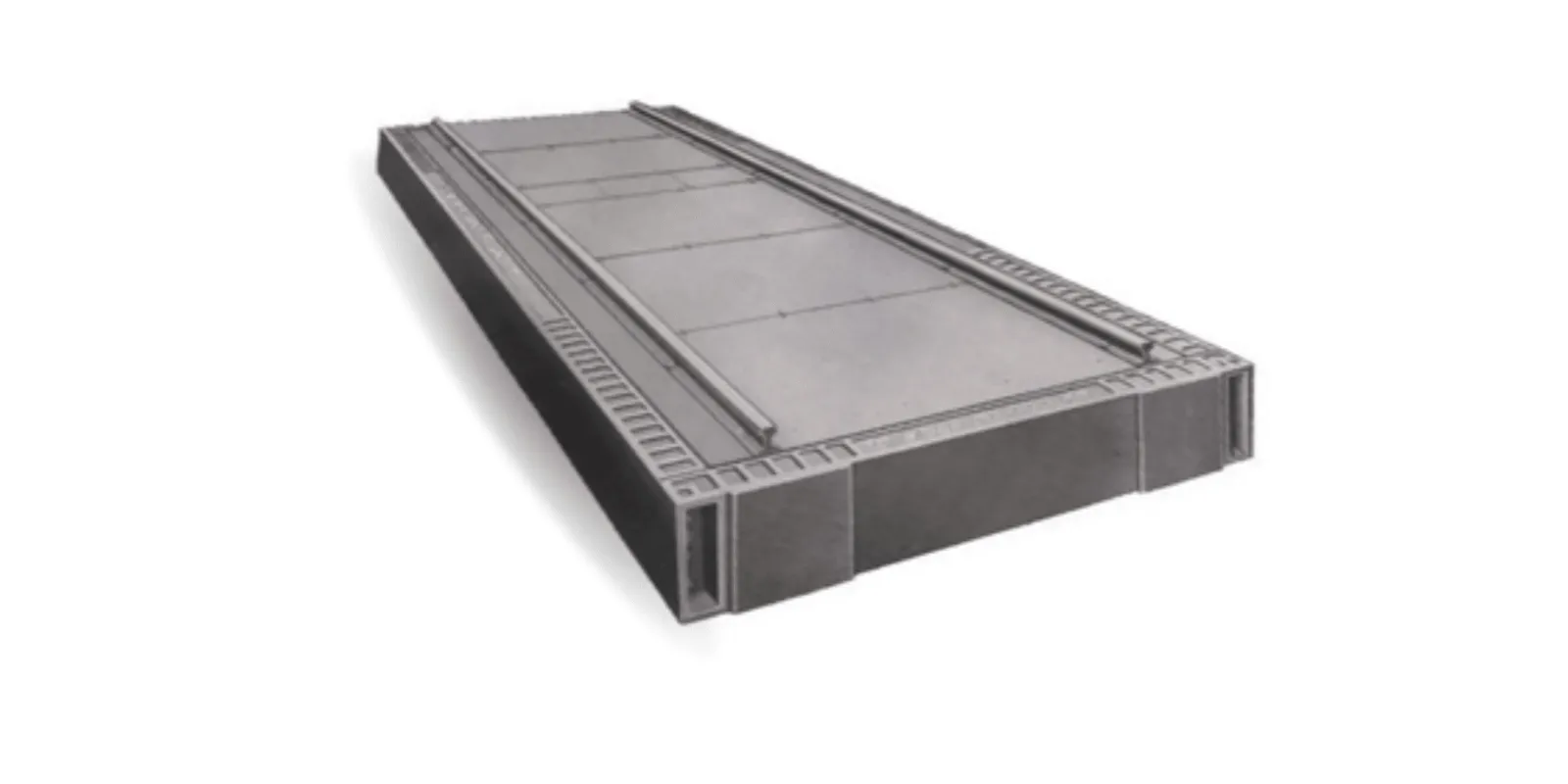
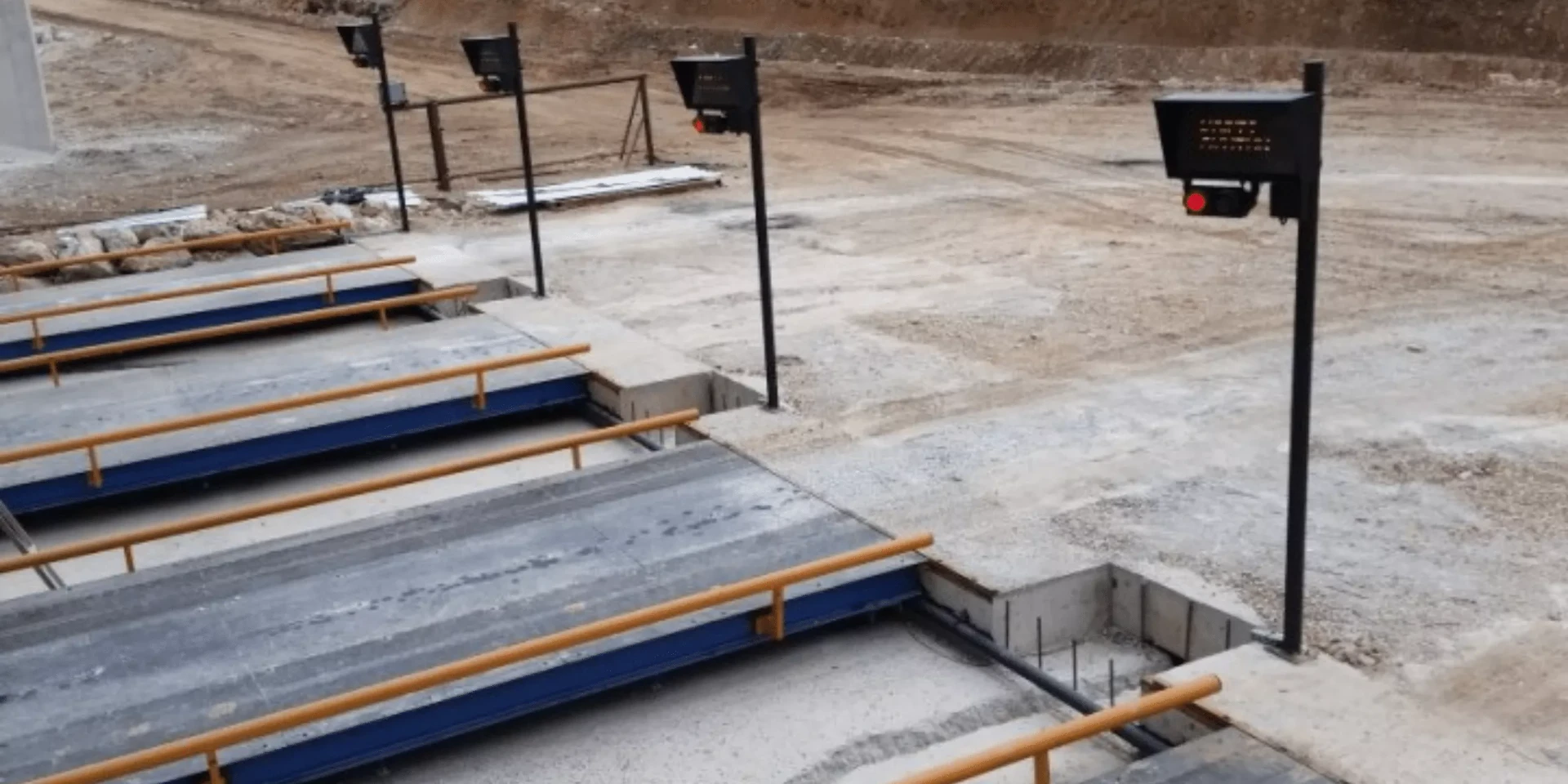
Pit type scales are built in a concrete pit at ground level. Above ground type scales are installed above ground level with access ramps.
The first question to ask is: "What will be the heaviest and longest vehicle I will weigh?" Standard truck scale capacities are usually 60 tons and 80 tons. The length of a standard truck is approximately 16.5 meters, so 3x18 meter dimensions meet most needs.
The quality of the material used determines the life of a scale. Steel platform scales are produced in the factory and assembled quickly. Concrete platform scales are poured on site and have no risk of rusting.
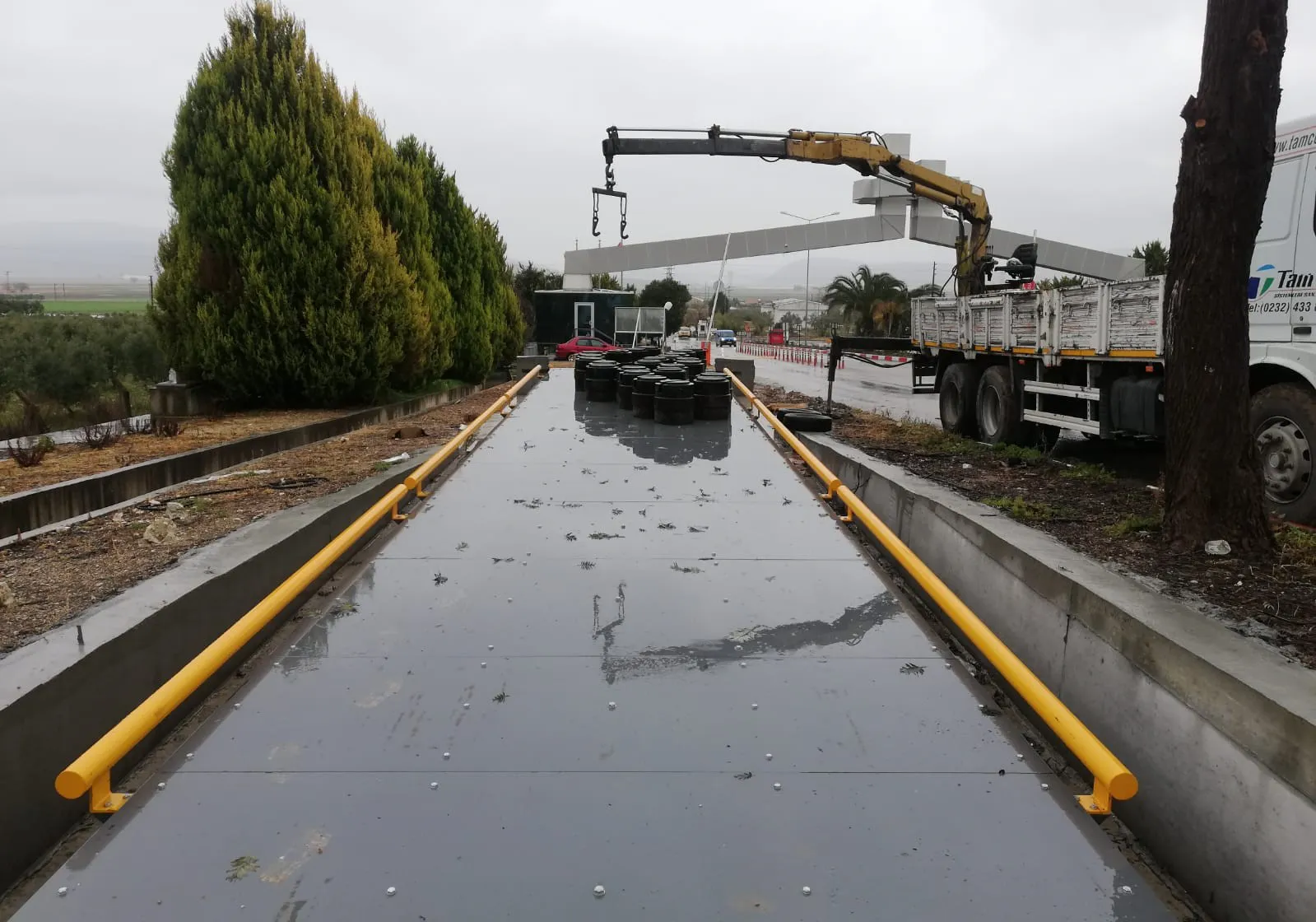
Scale installation is an engineering project that requires professionalism. Ground survey, construction, mechanical assembly, electronic connections and legal permits are the main steps of the process.
Periodic maintenance protects you from costly repairs by detecting possible major failures in advance. General cleaning, cable control, load cell control, mechanical controls and grounding control should be done regularly.
Periodic inspection and stamping of all scales used for commercial purposes every two (2) years is a legal requirement. However, at least one interim control and calibration per year is recommended.
Determine your capacity and size needs correctly, choose material suitable for the sector, look for certificates such as OIML and Type Approval, question software and integration capabilities and prefer a brand with strong after-sales service.
Fixed scale is more advantageous for long-term use in one location, mobile scale is more advantageous for working on different project sites or seasonal needs.
Periodic inspection every two years is legally mandatory. However, at least one professional interim control and calibration per year is recommended.
Logistics and transportation, mining, construction, agriculture, food industry, iron and steel industry, waste management, ports, warehouses and chemical plants are the main sectors.